Blog — Business transfer in French-speaking Switzerland

Advice and insights on business transfer in French-speaking Switzerland

Illustration — Your SME Depends Entirely on You: How a Buyer Handles Key-Person Risk
FeaturedPreparing the transfer23 September 2026

Your SME Depends Entirely on You: How a Buyer Handles Key-Person Risk

Read the article
Illustration — Selling Your SME to a Growing Group of SMEs: What Changes for You, Your Teams and Your Customers
After the sale

Selling Your SME to a Growing Group of SMEs: What Changes for You, Your Teams and Your Customers

Consolidator, roll-up, growing group of SMEs: behind these terms lies a type of buyer that acquires several SMEs to build a lasting group, without dissolving them. Here is what concretely changes for you as the seller, for your teams and for your customers when you sell your French-speaking Swiss business to such a group, and the legitimate questions to ask before signing.

Read the article
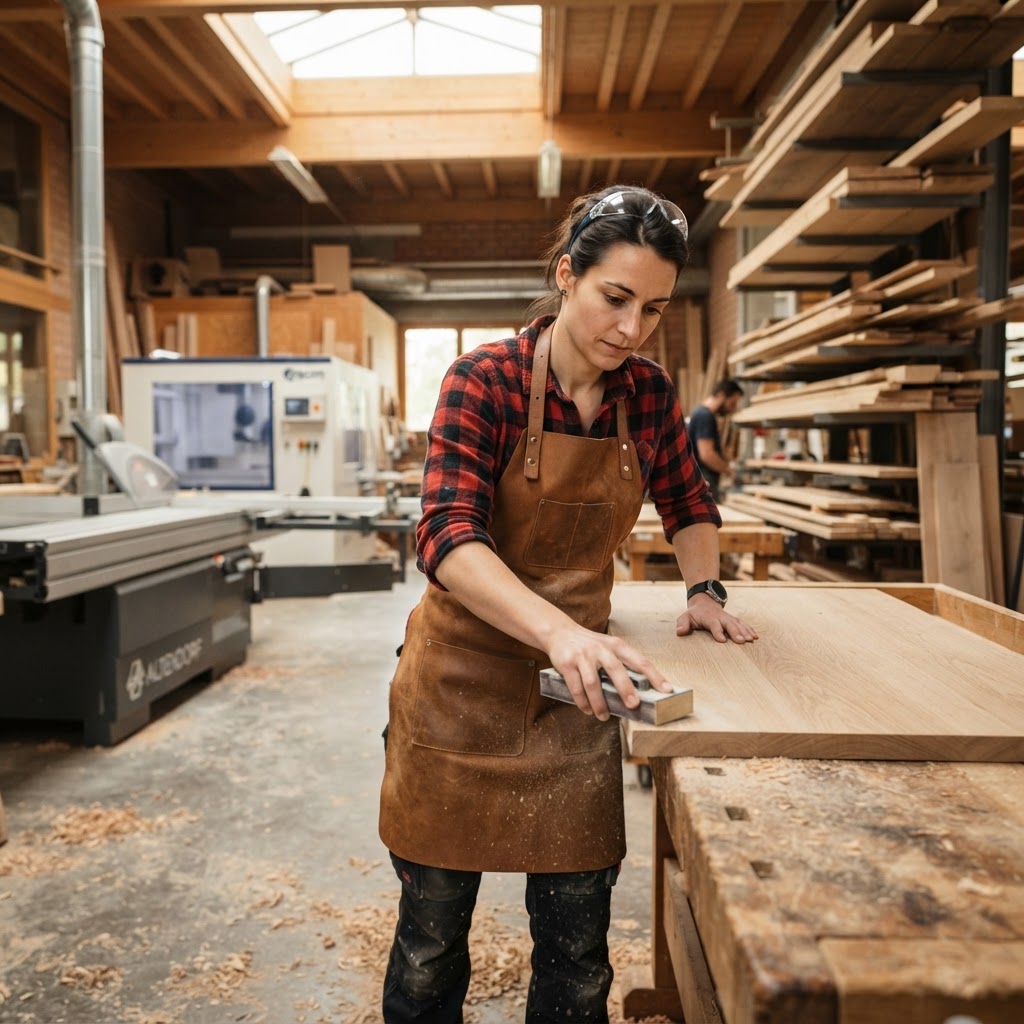

Illustration — Selling a Joinery, Carpentry or Interior Fit-Out SME in French-speaking Switzerland: Keys to a Successful Transfer
Sectors & the French-speaking Swiss market

Selling a Joinery, Carpentry or Interior Fit-Out SME in French-speaking Switzerland: Keys to a Successful Transfer

Selling a joinery, carpentry or interior fit-out business is not just a matter of selling a workshop and machines: your teams' know-how, your order book and your relationships with architects and general contractors weigh as much as the figures. Here are the specific points to know in order to approach the transfer of your company in French-speaking Switzerland with confidence, and why a direct buyer simplifies the process.

Read the article

Illustration — Due Diligence from the Seller's Side: What to Expect in Practice During the Buyer's Audit
Selling: process and negotiation

Due Diligence from the Seller's Side: What to Expect in Practice During the Buyer's Audit

Once the letter of intent is signed, the buyer moves into due diligence: the in-depth verification of your figures, contracts and legal documents before closing. This article sets out the categories of audit, the role of the data room, the real duration of the process and how to prepare for it calmly as a seller.

Read the article
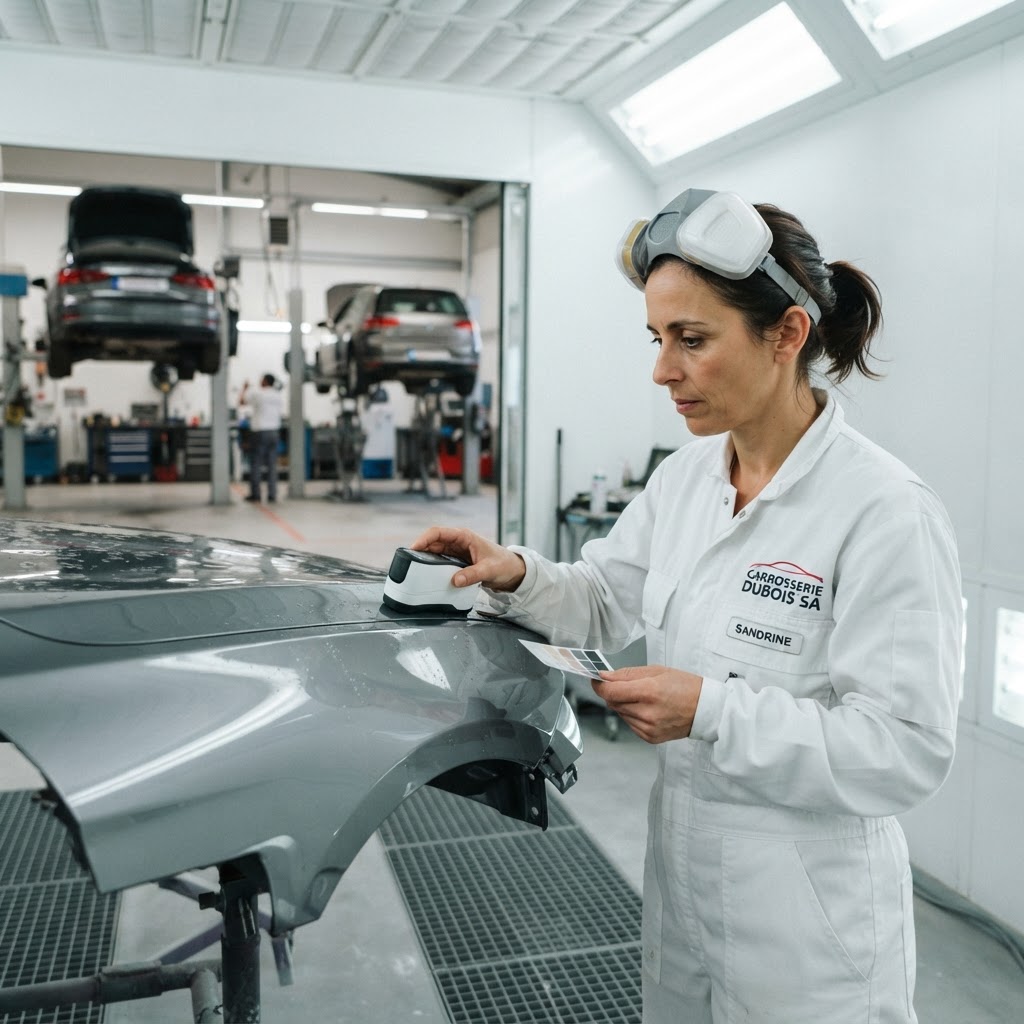
Illustration — Selling a Car Dealership, Garage or Body Shop in French-speaking Switzerland: Keys to a Successful Transfer
Sectors & the French-speaking Swiss market

Selling a Car Dealership, Garage or Body Shop in French-speaking Switzerland: Keys to a Successful Transfer

Selling a car garage or body shop is not just a matter of selling a workshop and a stock of vehicles: the brand contract, qualified staff, recurring after-sales business and the environmental compliance of the site weigh as much as the figures. Here are the specific points to know in order to approach the transfer of your company in French-speaking Switzerland with confidence, and why a direct buyer simplifies the process.

Read the article

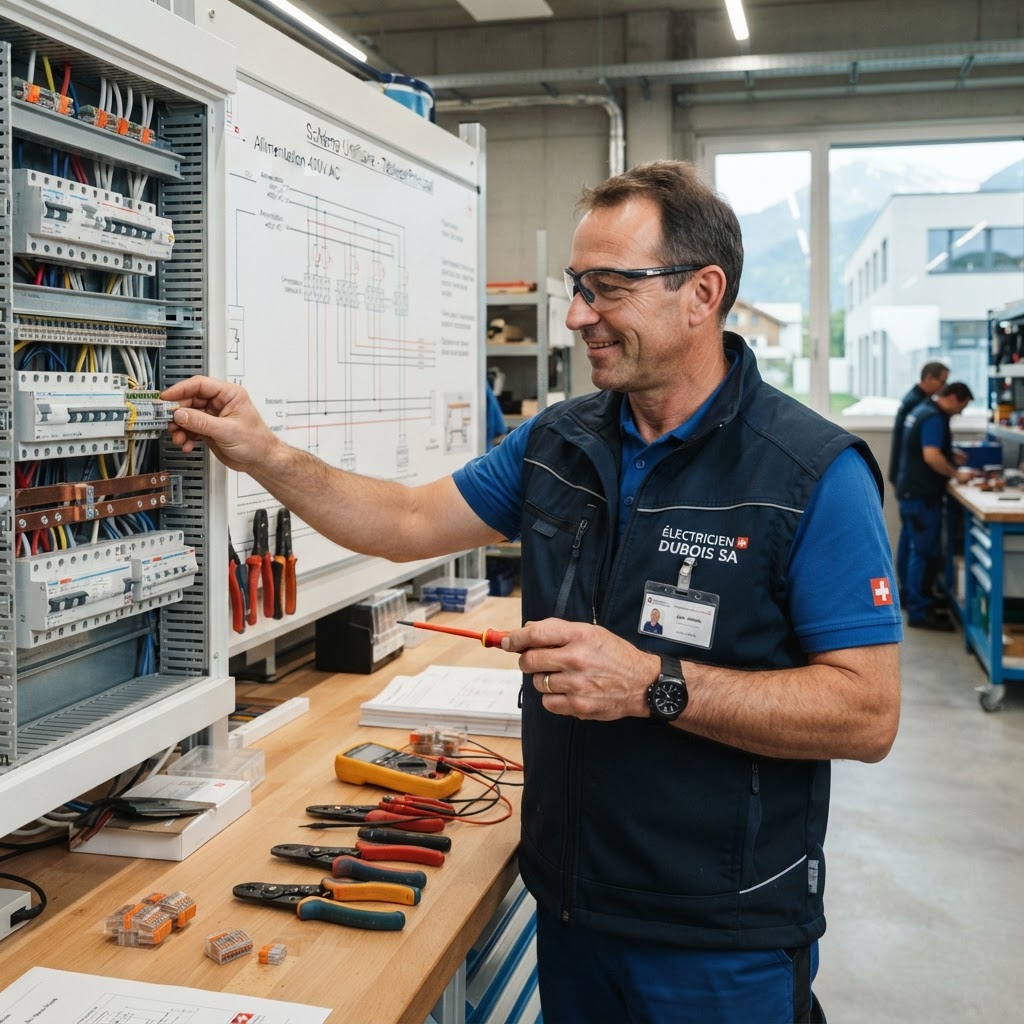
Illustration — Selling an Electrical Installation SME in French-speaking Switzerland: What Makes a Successful Transfer
Sectors & the French-speaking Swiss market

Selling an Electrical Installation SME in French-speaking Switzerland: What Makes a Successful Transfer

Selling an electrical installation SME in French-speaking Switzerland follows very specific rules: the REC licence, the order book, qualified teams, dependence on the owner-manager and the energy transition weigh as heavily as the numbers. Here are the specifics you need to know to approach the sale of your electrical business with confidence, and why a direct buyer simplifies the process.

Read the article
Illustration — Selling a Cleaning or Facility Management SME in French-speaking Switzerland: What Makes a Successful Transfer
Sectors & the French-speaking Swiss market

Selling a Cleaning or Facility Management SME in French-speaking Switzerland: What Makes a Successful Transfer

Selling a cleaning or facility management company is not about selling equipment: the value lies in your recurring maintenance contracts, your teams and the trust of your clients. Here are the specifics you need to know to approach the sale of your company in French-speaking Switzerland with confidence, and why a direct buyer makes the process simpler.

Read the article
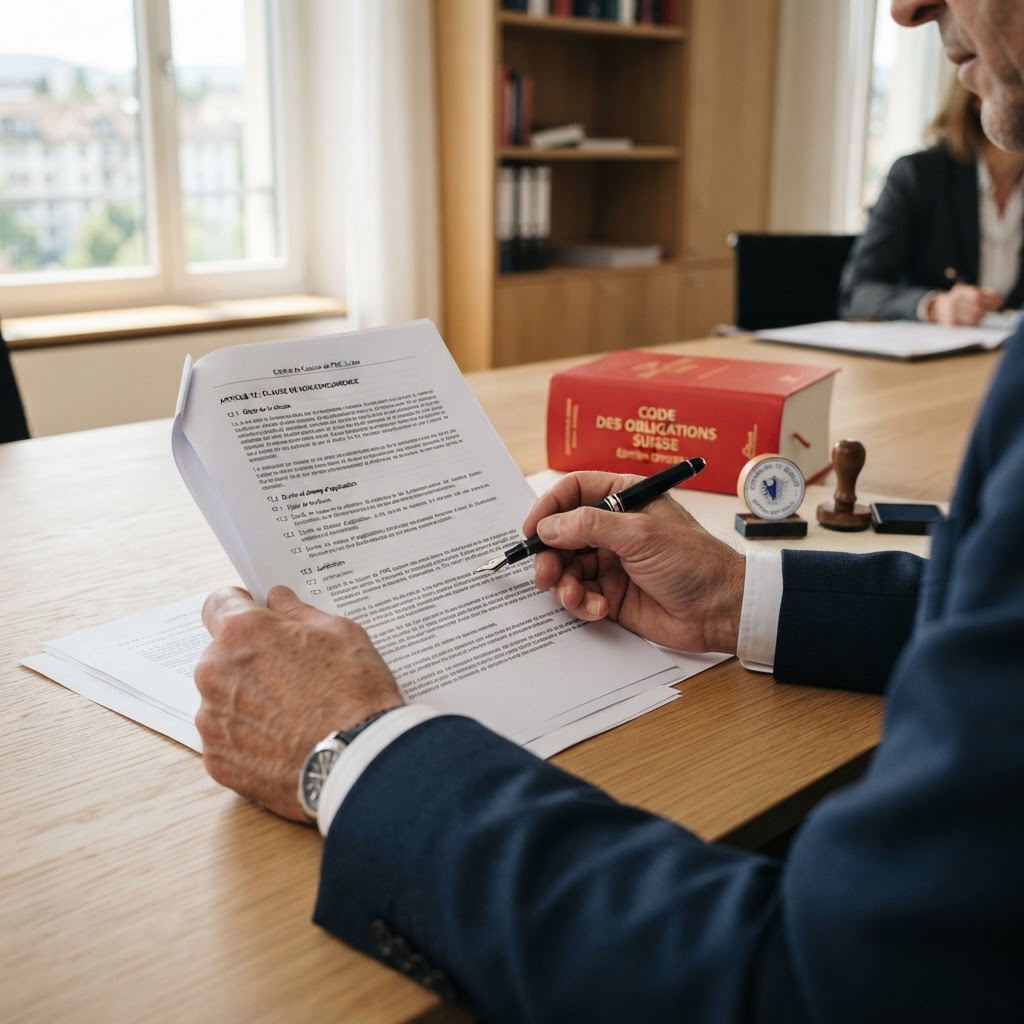
Illustration — The Seller's Non-Compete Clause After Selling an SME: Scope, Duration and Consideration
After the sale

The Seller's Non-Compete Clause After Selling an SME: Scope, Duration and Consideration

After the sale of your SME, the acquirer will almost always ask you to sign a non-compete clause to protect the value they have paid for. Scope, geographical area, duration, consideration: here is what this clause contains, what Swiss law allows, and how to approach it calmly with a direct buyer.

Read the article

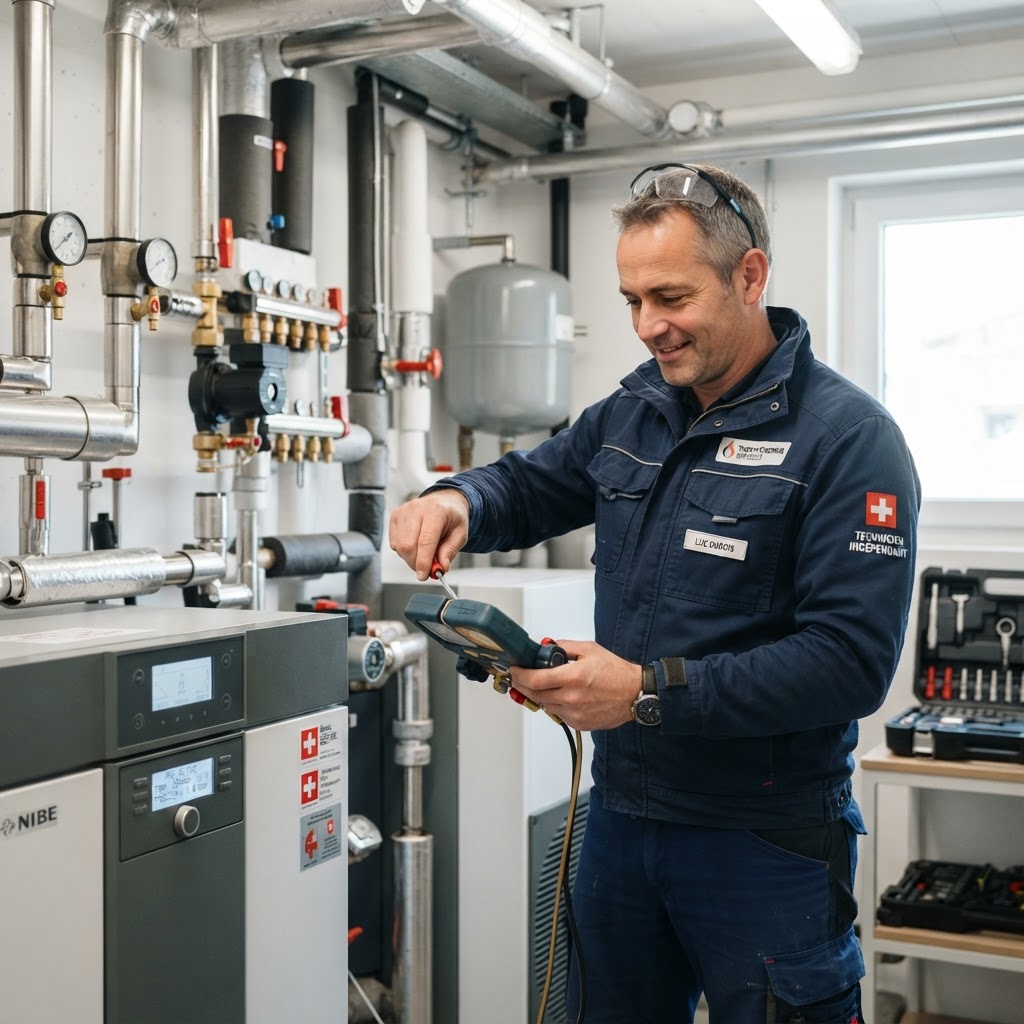
Illustration — Selling an HVAC SME in French-speaking Switzerland: What Makes a Successful Transfer
Sectors & the French-speaking Swiss market

Selling an HVAC SME in French-speaking Switzerland: What Makes a Successful Transfer

A heating, ventilation and air-conditioning SME does not change hands like an ordinary service company: recurring maintenance contracts, technical qualifications tied to one person, scarce skilled labour and the energy transition all reshape its value. Here are the specifics you need to know to approach the sale of your HVAC company in French-speaking Switzerland with confidence, and why a direct buyer makes the process simpler.

Read the article

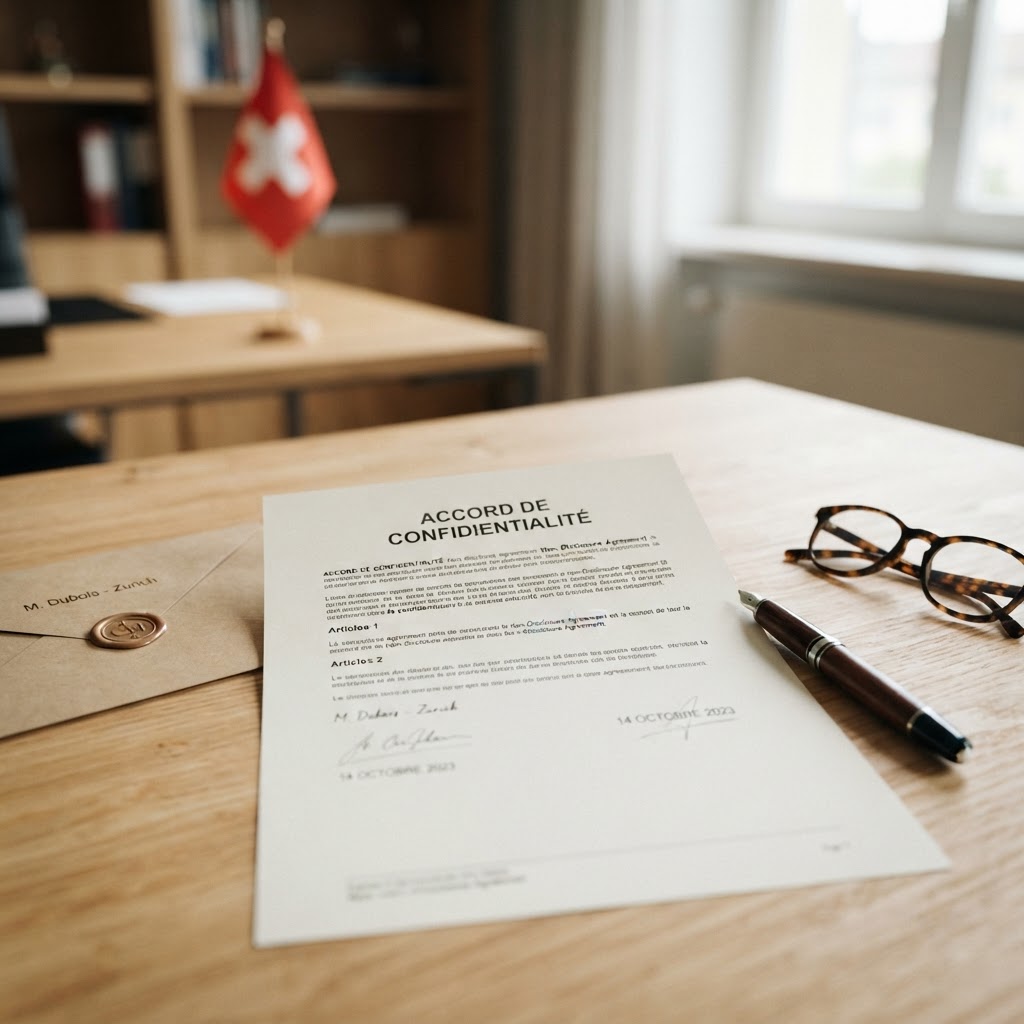
Illustration — NDA: Why a Robust Confidentiality Agreement Protects the Seller When Selling an SME
Selling: process and negotiation

NDA: Why a Robust Confidentiality Agreement Protects the Seller When Selling an SME

Before sharing a single figure about your SME, one document protects your most strategic information: the non-disclosure agreement (NDA). Find out what a robust NDA must contain, why it should be signed before any exchange, and how it secures every stage of your sale — from the first contact through to due diligence.

Read the article

Illustration — Selling a Professional Services Firm in French-speaking Switzerland: What Makes a Successful Transfer
Sectors & the French-speaking Swiss market

Selling a Professional Services Firm in French-speaking Switzerland: What Makes a Successful Transfer

Fiduciary, engineering office, architecture practice or consulting firm: the value of your firm is above all intangible. Your portfolio of mandates, qualified team, professional accreditations and relationship of trust with your clients shape a transfer that follows its own rules. Here are the essential points for calmly preparing the sale of your firm in French-speaking Switzerland.

Read the article
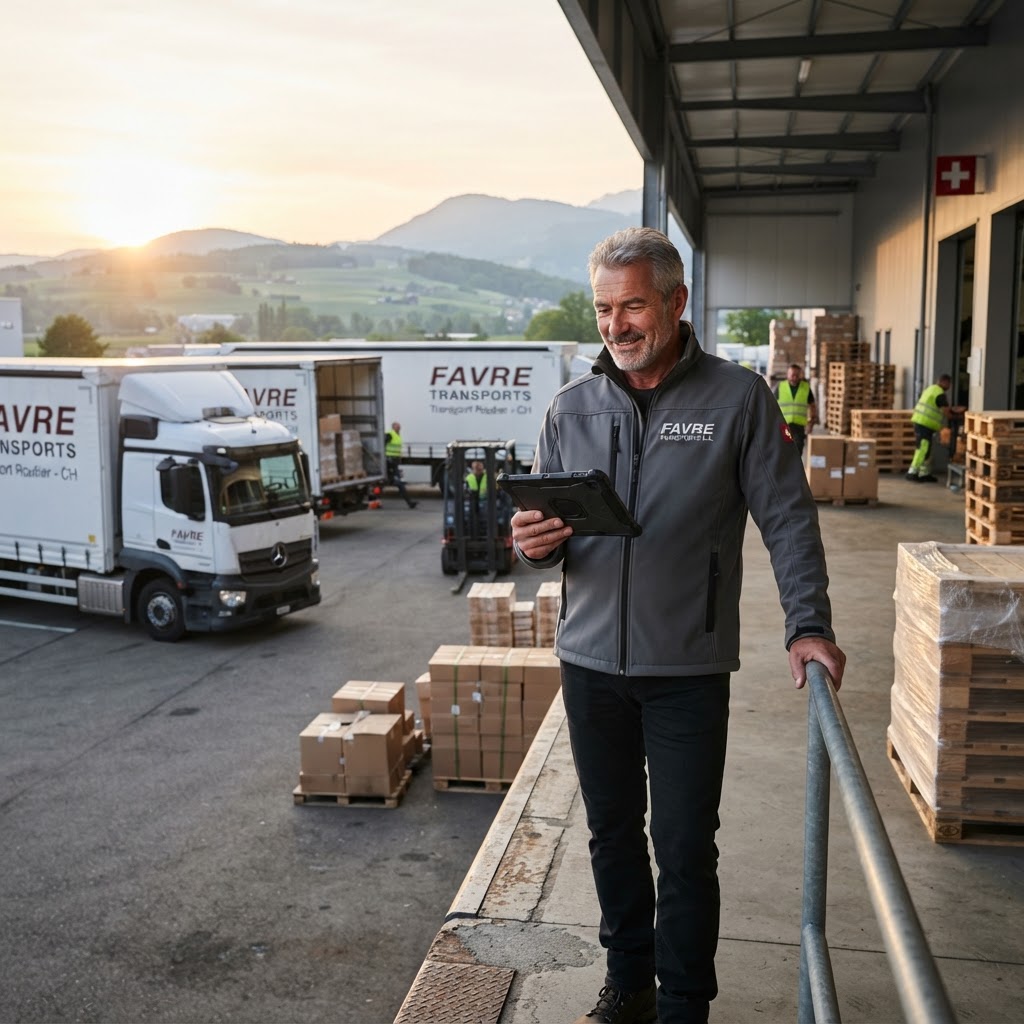
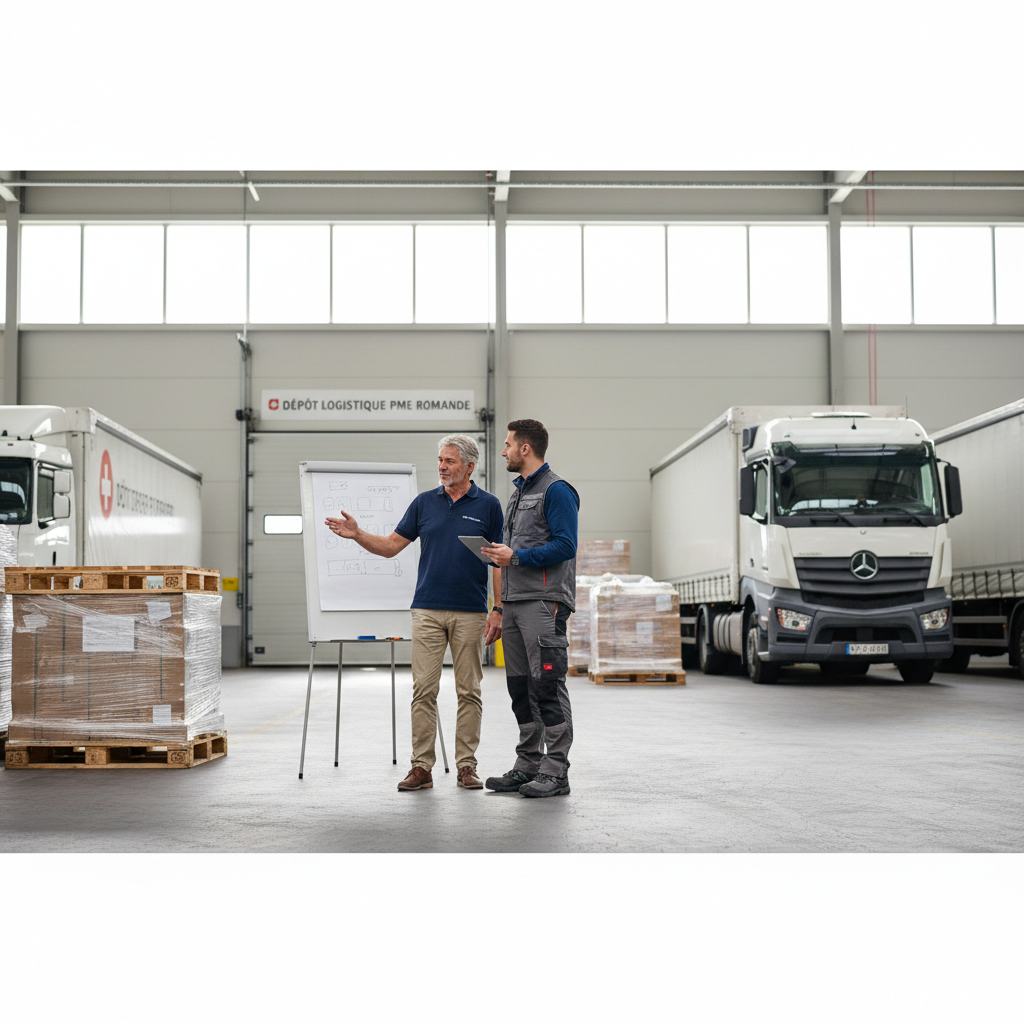
Illustration — Selling a Transport or Logistics Company in French-speaking Switzerland: What Makes a Successful Transfer
Sectors & the French-speaking Swiss market

Selling a Transport or Logistics Company in French-speaking Switzerland: What Makes a Successful Transfer

Selling a transport or logistics company in French-speaking Switzerland follows very particular rules: the FOT licence and transport manager, the vehicle fleet, the driver shortage and client contracts weigh as heavily as the figures. Here are the specifics you need to know to approach the sale of your company with confidence, and why a direct buyer makes the process simpler.

Read the article

Illustration — How a Buyer Finances the Acquisition of an SME in French-speaking Switzerland: The Financing Options
Selling: process and negotiation

How a Buyer Finances the Acquisition of an SME in French-speaking Switzerland: The Financing Options

When a buyer acquires your SME, everything hinges on their real ability to finance the deal. Personal contribution, bank loan, vendor loan, earn-out or investment fund: here are the main financing options for an acquisition in French-speaking Switzerland, and why a direct buyer with financing already in place secures your sale.

Read the article
Illustration — Selling a B2B Services SME in French-speaking Switzerland: What Makes a Successful Business Transfer
Sectors & the French-speaking Swiss market

Selling a B2B Services SME in French-speaking Switzerland: What Makes a Successful Business Transfer

A B2B services SME does not sell like an industrial company: its value rests on recurring contracts, skilled teams and client relationships, not on physical assets. Here are the specifics you need to know — contracts, dependence on the owner-manager, human capital, client concentration — to approach the sale of your services company in French-speaking Switzerland with confidence.

Read the article

Illustration — How to Find the Right Buyer for Your SME Without Making Your Sale Public
Selling: process and negotiation

How to Find the Right Buyer for Your SME Without Making Your Sale Public

Putting your SME up for sale does not mean exposing it in broad daylight. Discover how to find the right buyer while preserving confidentiality towards your clients, employees and competitors, and why working with a direct buyer makes a discreet approach simpler.

Read the article

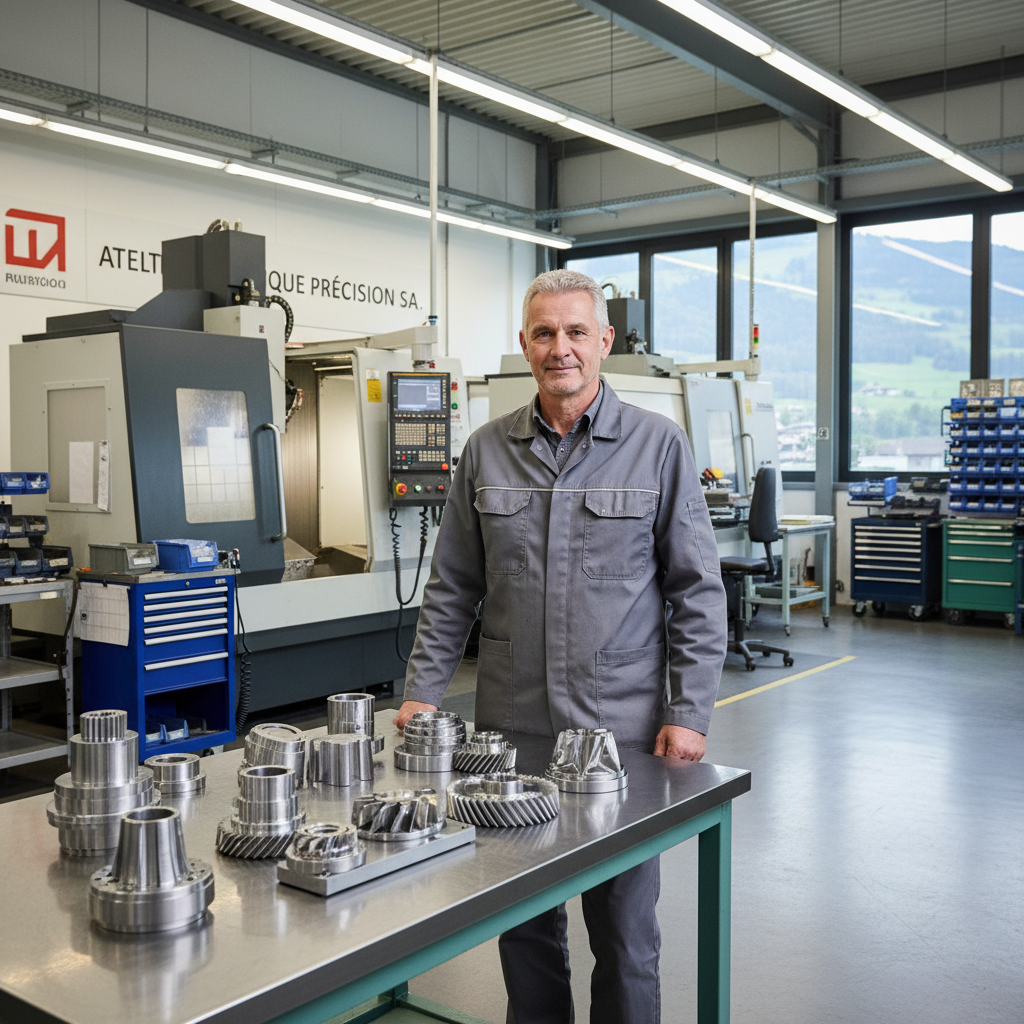
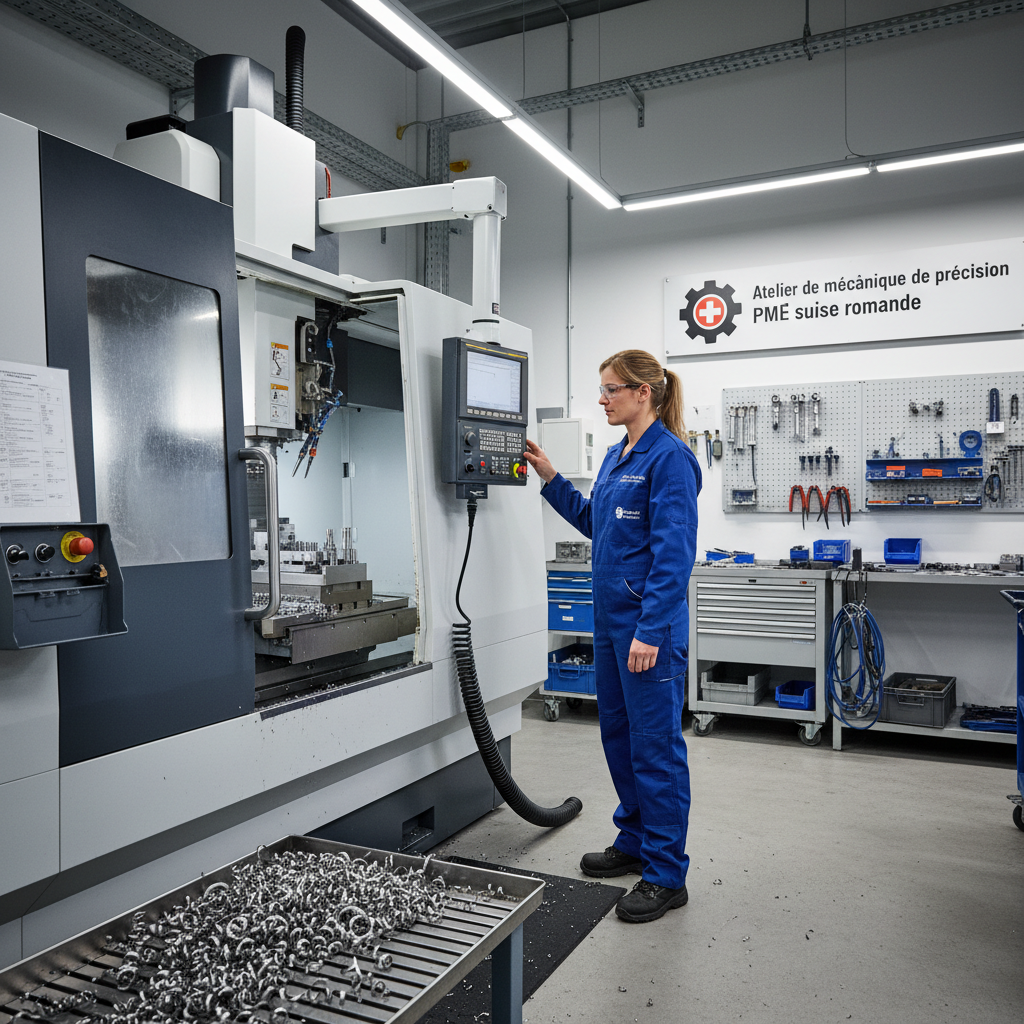
Illustration — Selling an Industrial or Subcontracting SME in French-speaking Switzerland: What Makes a Successful Business Transfer
Sectors & the French-speaking Swiss market

Selling an Industrial or Subcontracting SME in French-speaking Switzerland: What Makes a Successful Business Transfer

Transferring an industrial or subcontracting SME is unlike any other sale: machinery, skilled labour, certifications and framework agreements weigh as much as the numbers. Here are the specifics you need to know to approach the transfer of your company in French-speaking Switzerland with confidence.

Read the article
Illustration — Selling a Retail Business in French-speaking Switzerland: What Makes a Successful Business Transfer
Sectors & the French-speaking Swiss market

Selling a Retail Business in French-speaking Switzerland: What Makes a Successful Business Transfer

Selling a retail business in French-speaking Switzerland follows its own rules: the commercial lease, the location, the stock, dependence on the manager and pressure from e-commerce weigh as much as the numbers. Here are the specifics of a successful retail business transfer and the points to prepare before meeting a buyer.

Read the article

Illustration — Selling a Construction Company in French-speaking Switzerland: What Makes a Successful Business Transfer
Sectors & the French-speaking Swiss market

Selling a Construction Company in French-speaking Switzerland: What Makes a Successful Business Transfer

Selling a construction SME is unlike any other business transfer: the order book, skilled teams, equipment fleet and building warranties weigh heavily in the balance. Here are the specifics you need to know to approach the transfer of your construction company in French-speaking Switzerland with confidence.

Read the article

Illustration — Partial or Full Sale: Choosing the Right Route to Transfer Your SME
Preparing the transfer

Partial or Full Sale: Choosing the Right Route to Transfer Your SME

Should you sell 100% of your SME and move on, or sell only part of it while staying involved? A full sale and a partial sale serve very different objectives. Here is how to tell the two routes apart and choose the one that genuinely fits your situation.

Read the article
Illustration — The 5 Most Common Mistakes Made by SME Sellers in French-speaking Switzerland
Preparing the transfer

The 5 Most Common Mistakes Made by SME Sellers in French-speaking Switzerland

Insufficient preparation, a misjudged valuation, neglected confidentiality: certain mistakes come up again and again among business owners selling their SME. Here are the five most common in French-speaking Switzerland, and how to avoid them so you can approach your business transfer with confidence.

Read the article
Illustration — The MBO: How a Management Buy-Out of an SME Works in French-speaking Switzerland
Selling: process and negotiation

The MBO: How a Management Buy-Out of an SME Works in French-speaking Switzerland

The MBO, or acquisition of an SME by its management team or employees, appeals to many French-speaking Swiss business owners who care about their company's continuity. Discover how this transfer route works, how it is financed, its stages and its limits — and what alternatives are open to you when an internal acquisition is not possible.

Read the article
Illustration — What Does a Buyer Really Look For in an SME in French-speaking Switzerland?
Valuing your business

What Does a Buyer Really Look For in an SME in French-speaking Switzerland?

A serious buyer does not look at your SME the way you see it from the inside. Before making an offer, they assess very concrete criteria: the recurring quality of earnings, dependence on the owner-manager, the team in place, documented processes and legal cleanliness. This article explains what a buyer really looks at — and what they will not ask you for.

Read the article
Illustration — The Post-Sale Transition Period: The Seller's Role After Signing
After the sale

The Post-Sale Transition Period: The Seller's Role After Signing

Signing the sale agreement is not the end of the journey: it opens the transition period, during which the seller supports the buyer in transferring customer relationships, business know-how and internal culture. Properly anticipated, this phase protects the value being transferred. Poorly framed, it can undermine in a few weeks what took decades to build — here are the typical durations, the forms of support, the contractual framework and the pitfalls to avoid, on both the seller's and the buyer's side.

Read the article
Illustration — Warranties and Indemnities When Selling Your SME: Scope, Duration and Points to Watch
Selling: process and negotiation

Warranties and Indemnities When Selling Your SME: Scope, Duration and Points to Watch

In a share deal, the statutory warranty under the Swiss Code of Obligations does not cover your company's actual position: that is precisely the role of warranties and indemnities. Discover, in clear and accessible terms, what this agreement actually covers, its key parameters (cap, de minimis, duration, security) and how good preparation limits your exposure as a seller.

Read the article
Illustration — Selling a Business in French-speaking Switzerland: What Every Owner Must Clarify Before Starting
Preparing the transfer

Selling a Business in French-speaking Switzerland: What Every Owner Must Clarify Before Starting

Selling your business in French-speaking Switzerland: the 5 questions to settle before you start — to avoid the pitfalls, sell at the right price and without regrets.

Read the article
Illustration — Share Deal or Asset Deal: Understanding the Two Structures for Selling an SME
Selling: process and negotiation

Share Deal or Asset Deal: Understanding the Two Structures for Selling an SME

Share deal or asset deal: which structure should you choose to sell your SME in Switzerland? Taxation, liabilities, net price — and which one really works in your favour.

Read the article
Illustration — How to Sell Your Business in French-speaking Switzerland: 7 Steps to a Sale Without an Intermediary
Selling: process and negotiation

How to Sell Your Business in French-speaking Switzerland: 7 Steps to a Sale Without an Intermediary

How to sell your business in French-speaking Switzerland: the 7 steps of a confidential sale without an intermediary, directly to a buyer.

Read the article
Illustration — The Letter of Intent (LOI): What This Key Document Contains in the Sale of Your SME
Selling: process and negotiation

The Letter of Intent (LOI): What This Key Document Contains in the Sale of Your SME

The letter of intent (LOI) marks the shift from discussions to a formal framework in an SME sale. Here is what it contains, what binds the buyer, and why it also protects the seller — especially in a direct sale.

Read the article
Illustration — Which Documents Should You Prepare to Sell Your SME in French-speaking Switzerland?
Preparing the transfer

Which Documents Should You Prepare to Sell Your SME in French-speaking Switzerland?

Before meeting a buyer, you gain by presenting a complete, well-organised file. This article sets out the checklist of documents to gather to sell your SME in French-speaking Switzerland: financial statements, key contracts, legal documents, tax, human resources, operations and intellectual property. A structured file speeds up due diligence, strengthens your credibility with a direct acquirer such as Vendre-Entreprise.ch and secures your transaction. Stance: neutral, practical, direct-sale oriented.

Read the article
Illustration — How Long Does Selling an SME in French-speaking Switzerland Really Take?
Preparing the transfer

How Long Does Selling an SME in French-speaking Switzerland Really Take?

How many months does it really take to sell an SME in French-speaking Switzerland? This article details each step (preparation, buyer sourcing, NDA, LOI, due diligence, negotiation, closing) and its realistic timeline. It compares the timing of a sale through an intermediary (12-24 months) with that of a direct sale to an identified buyer such as Vendre-Entreprise.ch (3-6 months), explaining what slows down or speeds up the process. Stance: practical, factual, steering owners in a hurry towards a direct sale.

Read the article
Illustration — Business Transfer in Switzerland: 5 Sale Options Compared (2026)
Preparing the transfer

Business Transfer in Switzerland: 5 Sale Options Compared (2026)

Business transfer in Switzerland: which sale option should you choose in 2026? A clear comparison of the 5 routes — timelines, tax, confidentiality — to sell quickly and at the right price.

Read the article
Illustration — Selling My Business in French-speaking Switzerland: The Complete 2026 Guide
Preparing the transfer

Selling My Business in French-speaking Switzerland: The Complete 2026 Guide

Selling my business in French-speaking Switzerland: the 2026 guide to selling your SME directly to a buyer, with no broker and no commission. Steps, timelines, tax.

Read the article
Illustration — Selling Your SME Directly: Why More and More Swiss Business Owners Choose This Route
Selling: process and negotiation

Selling Your SME Directly: Why More and More Swiss Business Owners Choose This Route

In French-speaking Switzerland, many SME owners prefer a direct sale to an identified buyer over a lengthy process run through an intermediary. Speed of closing, absolute discretion, a simple process and control of the timetable are among the most frequently cited reasons. This article explores the concrete advantages of a direct sale, the company profiles for which it is the natural choice, and the precautions to take to secure a private transaction.

Read the article
Illustration — Selling an SME: Earn-out or Vendor Loan, How Do You Actually Get Paid?
Valuing your business

Selling an SME: Earn-out or Vendor Loan, How Do You Actually Get Paid?

Earn-out, vendor loan, deferred payment: the advantages, risks and tax treatment of each payment structure to secure the sale price of your SME in Switzerland.

Read the article
Illustration — Confidentiality When Selling an SME: An Often Underestimated Issue
Selling: process and negotiation

Confidentiality When Selling an SME: An Often Underestimated Issue

When selling an SME in Switzerland, confidentiality is a critical factor that many business owners underestimate. An information leak can unsettle employees, worry clients and weaken negotiations. Discover why discretion is essential and how a direct transaction, without multiple intermediaries, best protects the seller's interests.

Read the article
Illustration — What Happens to Your Employees After You Sell Your SME?
After the sale

What Happens to Your Employees After You Sell Your SME?

When an entrepreneur considers selling their SME, the fate of their employees is often their first concern. In Switzerland, Article 333 of the Swiss Code of Obligations firmly protects employees during a business transfer. Discover what the law provides and how a well-managed transfer preserves your teams.

Read the article
Illustration — Due diligence: how to prepare your SME for the buyer's scrutiny
Preparing the transfer

Due diligence: how to prepare your SME for the buyer's scrutiny

Due diligence is an unavoidable step in any business sale. Yet many sellers endure it rather than prepare for it. Anticipating the buyer's questions, organising your documents and identifying sensitive points in advance speeds up the transaction and lets you negotiate from a position of strength.

Read the article
Illustration — Tax aspects of selling an SME in Switzerland: what every business owner needs to know
Preparing the transfer

Tax aspects of selling an SME in Switzerland: what every business owner needs to know

Selling an SME in Switzerland raises complex tax questions that every business owner needs to anticipate. Between the capital gains exemption on shares, the legal structure of the sale and pre-sale restructurings, the choices made upfront can make a significant difference to the net proceeds of the sale. An overview of the main tax issues to understand before you sell.

Read the article
Illustration — How to prepare your SME for sale: the key steps to maximise its value
Valuing your business

How to prepare your SME for sale: the key steps to maximise its value

Selling an SME cannot be improvised. Rigorous preparation, ideally started 2 to 3 years before the sale, maximises the value of the business, attracts the right buyers and secures a successful transition for everyone involved.

Read the article
Illustration — We buy SMEs directly in French-speaking Switzerland
Selling: process and negotiation

We buy SMEs directly in French-speaking Switzerland

Small and medium-sized enterprises (SMEs) are the beating heart of the Swiss economy, representing around 99.6% of the country's businesses and generating two-thirds of all jobs. They are the engine of innovation, job creation and economic prosperity. Yet a major challenge looms on the horizon: SME succession. In French-speaking Switzerland, more than 80% of healthy SMEs struggle to find a buyer when the owner wants to retire.

Read the article
Illustration — The challenges of family business succession in Switzerland: strategies for a successful transition
Preparing the transfer

The challenges of family business succession in Switzerland: strategies for a successful transition

Handing over a family business in Switzerland is a major challenge for many entrepreneurs. With more than 70,000 SMEs due to change hands in the coming years, according to SECO,

Read the article
Illustration — Selling Your Business as Retirement Approaches: Leaving Without Watching It Disappear
Preparing the transfer

Selling Your Business as Retirement Approaches: Leaving Without Watching It Disappear

As retirement approaches, many SME owners in Switzerland face a crucial question: who will take over my business? Far from trivial, this question can cause sleepless nights, not because of financial worries, but out of fear of seeing their life's work disappear. Yet proper succession planning can secure the future of the business and give the owner-manager a smooth transition into retirement.

Read the article
Illustration — Your Business Is Not Worth What You Think — and Your Accountant Lied to You
Valuing your business

Your Business Is Not Worth What You Think — and Your Accountant Lied to You

Your balance sheet reflects what you have built, but not what a buyer is prepared to pay. A buyer does not purchase your past — they purchase your future cash flows, without you. An accounting valuation based on traditional methods such as EBITDA or net assets ignores crucial factors such as dependence on the owner-manager or the quality of the management team in place.

Read the article
Illustration — Selling Does Not Mean Watching Your Business Change
After the sale

Selling Does Not Mean Watching Your Business Change

Selling your business is a major milestone in an entrepreneur's life. The decision may be driven by various reasons, such as retirement, a change of professional direction or the wish to focus on new projects. However, a frequent concern among sellers is that the sale could bring unwanted changes to their business: loss of identity, a shift in culture, the departure of key staff. It is essential to understand that, when handled well, a sale can secure the future of the business and preserve its essence.

Read the article
Illustration — Why So Many SMEs Never Find a Buyer — and How to Remove the Obstacles
Sectors & the French-speaking Swiss market

Why So Many SMEs Never Find a Buyer — and How to Remove the Obstacles

In Switzerland, thousands of SMEs seek a successor every year. Yet more than 80% of owner-managers who wish to sell their business never find a buyer. Behind this worrying figure lie human and entrepreneurial stories that risk disappearing for want of a solution.

Read the article
Illustration — Selling Without Leaving Your Business
After the sale

Selling Without Leaving Your Business

Selling without leaving your business, by staying on as managing director for a few years, is an option that sellers frequently ask for.

Read the article